AMSA Connect phone services may have longer wait times on Monday 1 June 2026 while we operate with reduced staffing due to the Reconciliation Day Public Holiday in Canberra. Our search and rescue team will continue to operate during this time.

Showing 321 - 340 of 1246 results for WA 0812 2782 5310 Perhitungan Biaya Renovasi Plafon Gypsum Lis Emas Karanganyar Karanganyar
- Effects of oil and dispersed oil on temperate seagrassesA summary of the effects of oil and dispersed oil on temperate sea grasses.Last updated: 11/09/2020
- Polluter pays—security for costsAustralia’s policy is that those who pollute our marine environment should be responsible for cleaning up and repairing the damage they have caused. If AMSA has to do this because they do not, then they should pay AMSA.Last updated: 03/11/2021
 Upcoming changes to SMS requirements — What you need to knowFrom 1 June 2025, new safety management system (SMS) requirements will come into effect for domestic commercial vessels, aimed at improving safety.Last updated: 12/18/2024
- Safety first in marine spill response videoWe promote safety in marine pollution response through the National Plan for Maritime Environmental Emergencies (National Plan).Last updated: 11/09/2020
- Our structureOur structure gives you an idea of which area can help you when you get in touch.Last updated: 10/31/2025
- Practical lessons from person overboard incidentsIn this safety lesson, veteran trawl fisher Mark Millward explains what he has learned from involvement in person overboard incidents. Mark has operated in the Queensland East Coast and Torres Strait Prawn Trawl Fisheries for over 40 years.Last updated: 11/28/2024
- Spill trajectory modellingTrajectory models can help predict spill behaviour in the marine environment. If you are from one of our National Plan partner agencies, you can request a spill trajectory model when an oil or chemical spill occurs.Last updated: 04/13/2026
- Survey Matters – March 2025In this edition we talk about marine surveyor accreditation renewals, a marine safety incident and a safety recall notice.Last updated:
 Guidelines for simplified risk assessments for small domestic commercial vessel operationsThese guidelines aim to assist small1 DCV operations to undertake a risk assessment as part of the vessel’s safety management system.Last updated: 08/01/2023
- Survey Matters December 2023In this edition we talk about audits and application assessments, compass adjustment requirements, uncrewed barges and more.Last updated: 03/25/2024
- International (STCW) qualificationsFind out how to apply for, renew or manage your STCW international certificate to work on Australian-registered vessels in international waters. Includes training, exemptions and recognition of overseas qualifications.Last updated: 08/20/2025
- Short-term measure to reduce greenhouse gas emissions from existing shipsThe short-term measure under the MARPOL Convention requires ships engaged on international voyages to make improvements to deliver a reduction in their carbon intensity by an average of at least 40% by 2030 (compared to 2008 levels), in line with the target set by the International Maritime Organization (IMO).Last updated: 07/17/2025
- Exemption 02 - Marine Safety (Certificates of survey)This exemption is for owners of certain vessels who may not want to obtain a certificate of survey, or comply with certain conditions on a certificate of survey.Last updated: 12/12/2025
- Things to know before you goBe prepared before your trip. Stay safe at sea, on land or in the air.Last updated: 11/09/2020
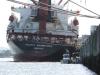 Pacific Adventurer, 11 March 2009The cargo ship Pacific Adventurer lost upwards of 270 tonnes of heavy fuel oil when holed on its port side while en route to Brisbane from Newcastle.Last updated: 11/09/2020
- Greenhouse gas emissions from international shippingIn 2023, the International Maritime Organization (IMO) adopted a revised strategy on reduction of greenhouse gas emissions from ships.Last updated: 11/17/2025
- Scenario 1: New buildIf you're bringing a vessel that is overseas to Australia and it’s a new build, you’ll need to meet certain requirements.Last updated: 12/19/2023
- Refusal of access to Australian portsShips that are not operated and managed to meet applicable standards, and relevant Australian laws, pose an increased risk to seafarers, other ships and the marine environment. These ships may be refused access or granted conditional entry to Australian portsLast updated: 09/21/2023
- Protection of the sea conventions and legislationAustralia is a part of the International Maritime Organization — maritime safety and marine pollution prevention are more effective when carried out internationally.Last updated: 12/03/2024
 Personal growthAt AMSA, we believe in supporting you to be the best version of yourself.Last updated: 03/06/2025