The website is undergoing maintenance today from 11am AEST. You may experience temporary loading issues. We apologise for any inconvenience.

Showing 441 - 460 of 637 results for WA 0852 2611 9277 Jasa Pemborong Interior Barber Shop Terpercaya Mampang Prapatan Jakarta Selatan
- Non-survey vessel approval or exemptionSome vessels do not have to be surveyed. Depending on the type of vessel, you may need to apply for approval to operate.Last updated: 10/30/2025
- NP–GUI–025: National Plan response, assessment and termination of cleaning for oil contaminated foreshoresStructured guidance for identifying when to stop the response to a maritime environmental emergency.Last updated: 03/18/2024
- Index of supporting documents for the National PlanAn index to guide you through the supporting documents for the National Plan.Last updated: 07/25/2023
- 2023/06 - Means of embarkation and disembarkation from ships in portThis marine notice aims to raise awareness of the risks involved with getting on and off vessels.Last updated: 08/11/2023
- Focused inspection campaign - lifejacket risk assessment on DCVsWe will conduct a focused inspection campaign on lifejacket risk assessment requirements on DCVs.Last updated: 05/30/2025
- MASTREP guide 2016The Modernised Australian Ship Tracking and Reporting System as described in Marine Order 63 Vessel Reporting Systems is used to track the location of vessels.Last updated: 08/03/2020
- Maximum period of shipboard service for seafarersAdvice about the maximum continuous period that a seafarer can serve on board a vessel without taking leave.Last updated: 01/11/2024
- Marine navigationWe are responsible for providing navigational systems and services to facilitate the safe and efficient navigation of ships within Australian waters.Last updated: 10/17/2025
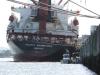 Pacific Adventurer, 11 March 2009The cargo ship Pacific Adventurer lost upwards of 270 tonnes of heavy fuel oil when holed on its port side while en route to Brisbane from Newcastle.Last updated: 11/09/2020
- Protection of the sea levy (PSL)The PSL applies to vessels that have carried 10 tonnes or more of oil while operating in Australia, any time during a quarter. It helps fund the response to marine pollution incidents.Last updated: 12/04/2025
- NP-GUI-008: National Plan for Maritime Environmental Emergencies claims management guidelinesThese guidelines provide assistance to maritime administrations and associated agencies seeking reimbursement from AMSA under the National Plan for costs incurred in relation to responding to ship-Last updated: 03/18/2024
- Fees for services—domestic commercial vessel safetyThese fees are for certificates of competency, certificates of operation, certificates of survey, the surveyor accreditation scheme, and National Law exemptions.Last updated: 06/16/2026
- AMSA mandated practical assessmentsGeneral and practical information about the AMSA mandated practical assessment (AMPA), including how to perform the assessment.Last updated: 11/06/2023
- 2025/04 - Using exhaust gas cleaning systems (EGCS) in Australian watersGuidance on using an exhaust gas cleaning system (EGCS) to meet the fuel sulphur limit of 0.50% m/m, as required under MARPOL Annex VI and Australian law.Last updated:
- AMSA and MSQ sign REEFVTS Strategic PlanThe Strategic Plan builds on previous strategies and also takes into account the commitments made in 2014 by the Australian and Queensland governments in their Reef 2050 Long Term Sustainability Plan, and the North-East Shipping Management Plan.Last updated: 08/13/2020
- Work to reduce marine plastic pollution from shipsThe International Maritime Organization (IMO) is working to reduce the loss and discharge of fishing gear into the sea.Last updated: 07/16/2025
- 2024/04 - Transportation of plastic pellets in freight containersThe purpose of this marine notice is to draw attention to the International Maritime Organization’s (IMO) Recommendations for the carriage of plastic pellets by sea in freight containers, which were released on 19 April 2024.Last updated: 01/10/2025
- Equipment hire ratesUnder the National Plan, we have marine pollution response equipment positioned in strategic locations around Australia to support response to an incident.Last updated: 02/19/2025
- Access conventions and standards underpinning marine ordersWe use marine orders to give effect to international and national conventions and standards. Find out more about these conventions and standards and how you can access them as publications.Last updated: 05/01/2026
- Our international engagementAustralia has an interest in ensuring that the ships which visit our ports and transit our waters are seaworthy, have competent crews, and are able to safely navigate through our sensitive marine areas.Last updated: 01/08/2025