
Showing 681 - 700 of 959 results for WA 0812 2782 5310 Harga Kitchen Set ACP Murah Serengan Surakarta
- Excessive speed leads to collision and passenger injuriesA passenger vessel travelling at speed collided with a cliff face resulting in serious injuries to passengers and major structural damage to the vessel.Last updated: 06/12/2025
 First Nations crew member/vessel operatorFind out what you need to do to operate or work on a domestic commercial vessel (DCV) on sea country and freshwater country.Last updated: 06/22/2026
- NP–GUI–001: Deployment of National Plan equipmentThis guidance sets out the considerations and processes to be observed when seeking the deployment of National Plan equipment for a marine pollution incident.Last updated: 03/18/2024
- Certificates of survey (CoS)Generally, vessels are required to have a certificate of survey to operate as a commercial vessel in Australia.Last updated: 10/30/2025
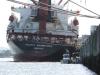 Pacific Adventurer, 11 March 2009The cargo ship Pacific Adventurer lost upwards of 270 tonnes of heavy fuel oil when holed on its port side while en route to Brisbane from Newcastle.Last updated: 11/09/2020
- Uniform waypoints—Great North East ChannelContains three charts of uniform waypoints—Great Barrier Reef—Great North East Channel, eastbound and westbound.Last updated: 03/14/2025
- Short-term measure to reduce greenhouse gas emissions from existing shipsThe short-term measure under the MARPOL Convention requires ships engaged on international voyages to make improvements to deliver a reduction in their carbon intensity by an average of at least 40% by 2030 (compared to 2008 levels), in line with the target set by the International Maritime Organization (IMO).Last updated: 07/17/2025
- Landing barge capsizes after exceeding maximum weight limit in vessel stability book (safety lesson)On 21 August 2019, a landing barge (operated as a Class 1E and 2D) capsized while transiting from Great Mackerel Beach to Pittwater north of Sydney.Last updated: 12/22/2025
- Bunker fuel weathering studyIntentional and illegal discharge of bunker fuel oil and waste oils at sea from vessels is the most common type of oil spill investigated by Australian regulatory agencies.Last updated: 11/14/2023
- 2016/18 — Danger with the use of weighted heaving linesOutlines the dangers of using weighted heaving lines when transferring mooring lines to tugs and shore linespersonsLast updated: 01/10/2025
- Your safety equipmentThe safety and medical equipment you need will depend on your vessel and operation.Last updated: 12/23/2025
- Statement of IntentThis Statement of Intent covers the period from 1 October 2024 to 30 September 2026.Last updated: 01/07/2025
 Career opportunities for graduates and studentsLaunch your career with AMSA.Last updated: 03/06/2025
- Shen Neng 1, 3 April 2010On 3 April 2010, the Shen Neng 1 was traversing a well-known shipping route south of the Douglas Shoal when it ran aground 38 nautical miles east of Great Keppel Island at about 5.30 pm.Last updated: 11/09/2020
- Consultation feedback on the national system transition 2016About the feedback we received on the National System for Domestic Commercial Vessel Safety transition.Last updated: 09/12/2023
- NP-GUI-016: National Plan maritime discharges of oil and oily water during emergency and response situationsDischarges into the sea from a vessel of oil, oily water, decant water, or water emanating from an oily water separator is strictly regulated under Australian maritime law.Last updated: 03/18/2024
- Tender, dory and auxiliary vesselsFind out about the special arrangements for vessels which meet the definition of ‘tender’ under the national law.Last updated: 12/06/2024
- Nearest land under MARPOLYou must be a specific distance from the nearest land before a discharge at sea can be made.Last updated: 08/13/2020
- Policies and requirements for registered training organisations delivering international certification trainingFind policies and requirements for registered training organisations to obtain AMSA approval for International Convention on Standards of Training, Certification and Watchkeeping for Seafarers (STCW) training.Last updated: 10/27/2020
 Have your say—Wilsons Promontory Lighthouse heritage management planWe are seeking feedback on the draft Wilsons Promontory Lighthouse heritage management plan.Last updated: 11/26/2019