
Showing 741 - 760 of 1571 results for what is vessel displacement of a 21ft trophy boat
- Regulatory plan—completed program 2017–18This program of regulatory activities was completed during the 2017–2018 financial year.Last updated: 09/22/2020
- Join our emergency towage services panel (ATM 24AMSA280)We are seeking service providers to deliver Level 2 Emergency Towage Capability (ETC2) services as part of our national maritime emergency response network.Last updated:
- Under keel clearance managementUsing an advanced under keel clearance management (UKCM) system will reduce your chances of running aground.Last updated: 02/01/2023
- Transporting livestock from AustraliaOperators of Regulated Australian Vessels (RAV) and Foreign Vessels, as well as the shippers of livestock, have obligations when loading and transporting livestock from Australia.Last updated: 01/04/2024
- Calculate sea service for an international certificateHow to calculate your sea service before you apply for a sea service assessment.Last updated: 07/01/2024
- Hazardous and noxious substances (HNS) training to help ships with chemical cargo accidents at seaIn early 2018 representatives from Fire and Rescue New South Wales (FRNSW) and AMSA boarded the containership ANL Warragul for a three day voyage to test the hazardous and noxious substances (HNS) reconnaissance capability.Last updated: 10/28/2020
- Regulatory plan—five-year regulatory outlookThis five-year outlook of future action covers specific industry issues, international developments, priorities for standards, and legislative expiries.Last updated: 09/22/2020
- Guide to registering your ship on the Australian general shipping registerRead this guide to understand your responsibilities under the Shipping Registration Act 1981.Last updated: 08/22/2023
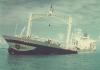 Oceanic Grandeur, 3 March 1970The oil spill from the Oceanic Grandeur in Torres Strait in March 1970 highlighted Australia’s lack of preparedness at the time to deal with a major oil spill in the marine environment.Last updated: 11/09/2020
- North East Shipping Management Plan (2019) – July 2022 updateThe North-East Shipping Management Plan (NE SMP) identifies actions based on information regarding the nature of shipping activity in the north-east region.Last updated: 10/12/2023
- Marine levy payment portalPayment options for marine levies, fees, or charges.Last updated: 10/01/2025
- 2018/02 — Electronic Visual Distress Signals (EVDS)This marine notice advises vessel owners, vessel operators, masters, officers, seafarer training organisations and industry organisations that AMSA does not consider electronic visual distress signals (EVDs) to be a suitable replacement for pyrotechnic distress signals.Last updated: 01/10/2025
- Marine Order 71 review: Consultation report October 2023This report provides an overview of the consultation process, key issues raised during public consultation and the key changes to the Marine Order.Last updated: 11/23/2023
- Shipping decarbonisation: feedback from industryFind out what was discussed at decarbonisation roundtables attended by shipping industry representatives. By hosting these roundtables, AMSA aims to foster collaboration in the Australian shipping industry as it transitions away from carbon-based fuels.Last updated: 12/04/2025
- Non-shipborne automatic identification systemsLearn how non-shipborne AIS units are managed and find out what’s required to apply to operate a base station or AtoN in Australia.Last updated: 04/09/2025
- Queensland coastal passage plan 2019The Queensland coastal passage plan (QCPP) seeks to improve pre-pilotage communications between coastal pilotage providers, the vessels they service and the pilots embarked within these vessels.Last updated: 08/06/2020
- Residual current devicesResidual current devices minimise the risk of a person receiving an electric shock or being electrocuted when using plug-in electrical equipment on board vessels.Last updated: 10/16/2023
- Onboard and onshore complaints: Maritime Labour Convention (MLC)Find out how to make an MLC complaint and how AMSA responds to MLC complaints.Last updated: 01/11/2024
- Safety Lessons from Marine Incident Investigation (Company Report) – No.2 – December 2021Master distraction leads to vessel grounding during sea trialsLast updated: 04/03/2023
 BenefitsWe know it's not just about the salary, so we offer a range of attractive benefits.Last updated: 05/08/2025