Showing 801 - 820 of 938 results for WA 0852 2611 9277 Anggaran Dana Pemasangan Interior Rumah Full Kaca Terpercaya Sukmajaya Kota Depok
- General and specific exemptionsThere are other vessel permits or exemptions you may be eligible for under the national law.Last updated: 09/02/2025
- Obtaining a verified gross massThere are two methods of obtaining a verified gross mass (VGM). The VGM is mandatory for cargoes to be loaded onto a vessel.Last updated: 11/10/2023
- Statement of IntentThis Statement of Intent covers the period from 1 October 2024 to 30 September 2026.Last updated: 01/07/2025
- Paying an infringement penaltyIf you have been issued with an infringement notice, you have 28 days to pay the infringement penalty or contact us about your payment options.Last updated: 02/11/2025
- Planned maintenance on domestic commercial vesselsThis safety alert draws the attention of vessel operators to the importance of planned maintenance in ensuring safe operation of domestic commercial vessels.Last updated: 08/14/2023
- Polluter pays—security for costsAustralia’s policy is that those who pollute our marine environment should be responsible for cleaning up and repairing the damage they have caused. If AMSA has to do this because they do not, then they should pay AMSA.Last updated: 03/11/2021
- Poor risk assessment of river entrance bar crossing results in near misses with surfersA 2C rescue vessel was preparing to depart a river entrance bar with 11 people onboard. The observed sea state was a wave height (breaking) of 1.4 to 1.8 metres. The entrance bar had a moderate to high level of congestion of jet skis and surfboard riders positioned within the aids to navigation departure leads. The vessel came within very close proximity to surfers on 3 occasions whilst negotiating the breaking sea conditions. The vessel then broached upon a wave resulting in the vessel heeling to port and becoming unable to be controlled due to the force of the wave.Last updated: 08/29/2023
- Complex maritime emergencies workshopIn June 2018 our Response Division delivered a workshop in Melbourne which explored how Australia could deliver an effective response to a complex maritime emergency.Last updated: 10/28/2020
- Compliance and enforcement policy—Version 3 2022This policy provides an overview of compliance and enforcement options and information as to when use of each option is appropriateLast updated: 07/28/2023
 Former South Australia police officer helps save maritime livesWatch the video of Mark Jacobs who has hung up his snorkel and fins to help save lives across 10 per cent of the Earth’s surface.Last updated: 05/03/2022
- Scale F first aid kitSurvey vessels in these classes are required to carry a Scale F first aid kit on board: 1B, 1C (with unberthed passengers), 1D (with berthed passengers), 1E (with berthed passengers), 2B, 2C, 3B and 3C.Last updated: 12/23/2025
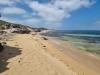 Major marine pollution exercise in FremantleSimulated severe oil spill to test coordinated multi‑agency response in March 2026 in WA.Last updated: 03/02/2026
- E-learning on the horizon for FijiMohammed Taslim is passionate about marine education in the Pacific and has his sights set on promoting e-learning study for seafarers in Fiji in the not-too-distant future.Last updated: 05/03/2022
- Intergovernmental agreement on the National Plan to combat pollution of the sea by oil and other noxious and hazardous substancesThis agreement sets out the plan for how Australia will respond to marine pollution spills in Australian waters.Last updated: 03/27/2023
- Our structureOur structure gives you an idea of which area can help you when you get in touch.Last updated: 10/31/2025
- How to develop a safety management system (SMS)Safety management systems involve people, vessels and procedures.Last updated: 11/01/2023
 BenefitsWe know it's not just about the salary, so we offer a range of attractive benefits.Last updated: 05/08/2025
- Focus on pollution prevention – domestic commercial vessel education campaignAMSA is committed to safe and clean seas. AMSA, on behalf of Australia, is responsible for the implementation of numerous international conventions and codes to which Australia is a signatory.Last updated: 01/18/2023