
Showing 221 - 240 of 314 results for LED Lighting
- Exemption 16 - Marine Safety (Traditional fishing)This exemption allows people to master a traditional inhabitant fishing boat without the required certificate of competency.Last updated: 12/23/2025
- Register a vessel on the Australian general shipping registerShips registered on the Australian general shipping register have Australian nationality.Last updated: 01/22/2024
- Managing procurement complaintsAMSA has a fair, and non-discriminatory procurement complaints handling process.Last updated: 02/23/2024
- Our approval for all STCW courses provided by Registered training organisations—MT05Procedures for STCW courses provided by Registered training organisations including e-learning, distance learning and blended learning, GMDSS ROC and short courses.Last updated: 07/01/2024
- Residual current devicesResidual current devices minimise the risk of a person receiving an electric shock or being electrocuted when using plug-in electrical equipment on board vessels.Last updated: 10/16/2023
- Historical focused inspection campaignsWe have conducted these inspection campaigns in the past, focusing on specific deficiencies and outcomes.Last updated: 10/26/2023
- Oceans of change for TongaWe celebrated Hulita Lamasialeva Fa’anunu’s achievements on World Maritime Day last year. She embodied the 2019 theme—empowering women in the maritime community.Last updated: 05/03/2022
 Dory vessel safetyOperators and crew of these types of operations face unique safety challenges and risk.Last updated: 08/14/2023
- Great Barrier Reef, Torres Strait and Coral SeaA particularly sensitive sea area (PSSA) is given special protection because of its vulnerability to damage from international shipping activities.Last updated: 10/19/2023
- Mandatory MARPOL pollution reportingIn some circumstances, it is mandatory to make a MARPOL report for certain pollution incidents.Last updated: 05/15/2025
- Survey Matters—April 2020In the April edition we tell you what we are doing to support our industry during the COVID-19 period, we provide information about passive fire safety measures, give guidance on inspecting internal buoyancy or sealed internal hull voids, and more.Last updated: 10/19/2025
- Freedom of Information disclosuresThe FOI disclosure list describes the documents disclosed under the Freedom of Information Act, and the date of disclosure.Last updated: 11/26/2025
- Regional search and rescueWe contribute to safety in the region by working with our geographic neighbours.Last updated: 11/09/2020
 Exercise Dumaresq marine pollution exerciseExercise Dumaresq 2024 will occur 29-30 October this year along the Gold Coast, Qld, and Tweed coast NSW.Last updated: 10/10/2024
- Access conventions and standards underpinning marine ordersWe use marine orders to give effect to international and national conventions and standards. Find out more about these conventions and standards and how you can access them as publications.Last updated: 05/01/2026
- Index of safety alertsAccess AMSA safety alerts for domestic commercial vessels and the international shipping community.Last updated: 03/19/2025
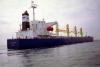 Pax Phoenix, 2 September 2001Following a report to AMSA, and subsequent investigation, the Pax Phoenix was fined for illegally discharging oily water into the marine environment near Holbourne Island, Queensland on 2 September 2001.Last updated: 11/09/2020
- Contact usFind out how to get in touch with AMSA Connect, emergency services, our head and state offices and media team.Last updated: 04/07/2026
- Watchkeeper deck certificate of competency for Royal Australian Navy officers and ratingsHow to get a Watchkeeper deck certificate of competency if you are a Royal Australian Navy (RAN) Maritime warfare officer or Rating.Last updated: 07/01/2024
- Refusal of access to Australian portsShips that are not operated and managed to meet applicable standards, and relevant Australian laws, pose an increased risk to seafarers, other ships and the marine environment. These ships may be refused access or granted conditional entry to Australian portsLast updated: 09/21/2023