AMSA Connect phone services may have longer wait times on Monday 1 June 2026 while we operate with reduced staffing due to the Reconciliation Day Public Holiday in Canberra. Our search and rescue team will continue to operate during this time.
Showing 261 - 280 of 1101 results for WA 0859 3970 0884 Daftar Harga Pembuatan Plafon Model Up Ceiling Murah Nanggulan Kulon Progo
- Polluter pays—security for costsAustralia’s policy is that those who pollute our marine environment should be responsible for cleaning up and repairing the damage they have caused. If AMSA has to do this because they do not, then they should pay AMSA.Last updated: 03/11/2021
- Navigation and anchor watch on domestic commercial vesselsGuidance on ensuring appropriate crewing for safe navigation for domestic commercial vessels.Last updated:
- Generic equivalent solutions for national standardsGeneric equivalent solutions (GES) support national standards by allowing the use of new technology and other solutions.Last updated: 09/08/2025
- Marine navigationWe are responsible for providing navigational systems and services to facilitate the safe and efficient navigation of ships within Australian waters.Last updated: 10/17/2025
 Dangerous, hazardous and harmful cargoes handbookThis handbook is an information resource for those involved in the transport of dangerous goods intended to be shipped by sea.Last updated: 07/27/2022
- Superseded and repealed marine safety exemptionsThese general exemptions are now superseded or repealed. Superseded and repealed exemptions may affect how the national system works for you.Last updated: 07/01/2025
- Guidance Notice - Small uncrewed autonomous vesselsSmall uncrewed autonomous vessels operating in C, D, or E waters.Last updated: 09/07/2021
- Proposed changes to coastal pilot regulationsWhat changes to Marine Order 54 (Coastal pilotage) 2014 (MO54) did we seek feedback on?Last updated: 04/07/2026
- Historical focused inspection campaignsWe have conducted these inspection campaigns in the past, focusing on specific deficiencies and outcomes.Last updated: 10/26/2023
- Dispersant responseChemical dispersants are one of the response tools available during oil spill responses.Last updated: 03/07/2025
- Board meeting communique of matters – 20 November 2025The 276th meeting of the Board was held on Thursday, 20 November 2025, in Canberra, ACT.Last updated: 01/02/2025
- APL England container lossIn rough weather, early in the morning of 24 May, about 50 containers were lost overboard from the Singapore-flagged container ship APL England. Read our regular updates.Last updated: 08/29/2023
- Maritime Law Association of Australia and New Zealand Annual Conference 2023AMSA is pleased to be a sponsor of the 2023 annual conference of the Maritime Law Association of Australia and New Zealand (MLAANZ), 4-6 October.Last updated: 10/09/2023
- Refusal of access to Australian portsShips that are not operated and managed to meet applicable standards, and relevant Australian laws, pose an increased risk to seafarers, other ships and the marine environment. These ships may be refused access or granted conditional entry to Australian portsLast updated: 09/21/2023
- Infringement noticesThere are 48 infringements listed in the national law that can apply to vessel owners, masters, crew, or passengers. You can avoid an infringement notice by making sure your vessel, crew, and operations comply with the national law.Last updated: 01/05/2021
- Bunker fuel weathering studyIntentional and illegal discharge of bunker fuel oil and waste oils at sea from vessels is the most common type of oil spill investigated by Australian regulatory agencies.Last updated: 11/14/2023
- Residual current devicesResidual current devices minimise the risk of a person receiving an electric shock or being electrocuted when using plug-in electrical equipment on board vessels.Last updated: 10/16/2023
 EPIRB requirements—find out what the changes mean for your DCV operationThe type of EPIRB you need depends on vessel class, length, flotation and operating area.Last updated: 09/22/2021
- Consultation on cost recovery for services under the National System for Domestic Commercial Vessel SafetyWe invited feedback and comments on the proposed models to recover the costs associated with delivering services to industry under the National System for Domestic Commercial VesselLast updated: 08/22/2023
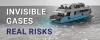 Hazardous gases: carbon monoxide, hydrogen sulphide and carbon dioxideToxic gases can quickly build up on board vessels and kill a crew member or passenger in minutes. Identify equipment, appliances and systems that create these gases and reduce the risks.Last updated: 12/09/2025