AMSA Connect phone services may have longer wait times on Monday 1 June 2026 while we operate with reduced staffing due to the Reconciliation Day Public Holiday in Canberra. Our search and rescue team will continue to operate during this time.

Showing 381 - 400 of 563 results for WA 0852 2611 9277 Total Biaya Membangun Plafon Model Silet Murah Bogor Timur Kota Bogor
 Our cultureJoin our team and be part of a culture built on respect, collaboration, and a shared purpose.Last updated: 11/21/2025
- Safety first in marine spill response videoWe promote safety in marine pollution response through the National Plan for Maritime Environmental Emergencies (National Plan).Last updated: 11/09/2020
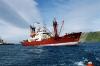 Nella Dan, 3 December 1987On 3 December 1987 the Nella Dan ran aground in strong winds in Buckle Bay, Macquarie Island.Last updated: 11/09/2020
- Annual Report 2019–20Everything AMSA does—as described in this annual report—is in response to our strategic challenges.Last updated: 10/22/2021
- Intergovernmental agreements with Australia and other governmentsWe have intergovernmental agreements with state and territory governments in Australia.Last updated: 03/27/2023
- National maritime places of refugeFor vessels in distress or in need of assistance there can be, at times, a need to find an appropriate ‘place of refuge’, where steps can be taken to stabilise or repair the vessel and prevent the situation from worsening.Last updated: 07/16/2025
- Iron Baron, 10 July 1995On Monday 10 July 1995, the Iron Baron chartered bulk carrier grounded on Hebe Reef at the approach to the Tamar River, northern Tasmania at 7.30 pm EST.Last updated: 11/09/2020
- Oiled wildlifeOur response to the risk of oil spills on wildlife.Last updated: 10/29/2020
- Navigation through the Great Barrier Reef and Torres StraitKnowledge of regulations and duties will help you navigate safely on the seas.Last updated: 12/02/2025
- Scenario 1: New buildIf you're bringing a vessel that is overseas to Australia and it’s a new build, you’ll need to meet certain requirements.Last updated: 12/19/2023
- Closed consultations—reportsRecent public consultations which are now closed.Last updated: 04/21/2026
- National Environmental Maritime OperationsNational Environmental Maritime Operations (NEMO) is an incident management system used to manage and monitor national maritime environmental emergencies.Last updated: 11/09/2020
- Short-term measure to reduce greenhouse gas emissions from existing shipsThe short-term measure under the MARPOL Convention requires ships engaged on international voyages to make improvements to deliver a reduction in their carbon intensity by an average of at least 40% by 2030 (compared to 2008 levels), in line with the target set by the International Maritime Organization (IMO).Last updated: 07/17/2025
- Focused inspection campaign - safety of navigation outcomes reportSafety of Navigation – 1 August - 8 September 2021 AMSA conducted a Safety of Navigation Focused Inspection Campaign (FIC) over the period 1 August to the 8 September 2021.Last updated: 10/26/2023
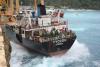 MV Tycoon, 9 January 2012On Sunday 9 January 2012, the cargo vessel the MV Tycoon broke free from its mooring at Flying Fish Cove, Christmas Island, and washed against the seawall and nearby cliff face. The ship had been loading phosphate at the time of the incident.Last updated: 11/09/2020
- Era, 30 August 1992On 30 August 1992 the fuel tank of Era was ruptured by the bow of the tug Turmoil during berthing operations at Port Bonython, South Australia, during high winds. Approximately 300 tonnes of bunker fuel was released into Spencer Gulf.Last updated: 11/09/2020
- Survey Matters—December 2019In this issue we bring you information about a new electrical standard, welding requirements for some vessels, how many watertight doors the NSCV allows and more.Last updated: 10/13/2025
- Deficiency notice codesA deficiency notice uses codes to show non-compliance found during a Port State control (PSC) inspection.Last updated: 08/07/2023
 Tackling marine plastic litter this month and beyondJoin AMSA this month to stop marine plastic litter for good.Last updated:
- Exercise Constant BearingSouth Australia hosted the 2017 National Plan Exercise from 5 to 7 December in Adelaide.Last updated: 10/27/2020