AMSA Connect phone services may have longer wait times on Monday 1 June 2026 while we operate with reduced staffing due to the Reconciliation Day Public Holiday in Canberra. Our search and rescue team will continue to operate during this time.
Showing 441 - 460 of 799 results for WA 0812 2782 5310 Pemborong Interior Kamar Set Ukiran Duco Daerah Tingkir Salatiga
- Maritime Labour Convention—2019 Annual ReportThis report presents an analysis of Maritime Labour Convention (MLC) complaints, compliance and follow up actions undertaken in Australia.Last updated: 01/11/2024
- Consultation—Draft Marine Order 44—(Safe containers) 2019Consultation on Marine Order 44 closed on 1 March 2019.Last updated: 11/29/2024
- 2025/04 - Using exhaust gas cleaning systems (EGCS) in Australian watersGuidance on using an exhaust gas cleaning system (EGCS) to meet the fuel sulphur limit of 0.50% m/m, as required under MARPOL Annex VI and Australian law.Last updated:
- Port State control Australia—2019 reportThis report summarises the PSC activities of AMSA, detailing the performance of commercial shipping companies, flag States and Classification Societies for the 2019 calendar year.Last updated: 05/26/2020
- Replace an international certificateReplace your lost or damaged certificate, or get a new certificate after updating your personal details.Last updated: 10/27/2020
- Marine Order 71 review: Consultation report October 2023This report provides an overview of the consultation process, key issues raised during public consultation and the key changes to the Marine Order.Last updated: 11/23/2023
- Survey Matters—March 2021In this edition we provide advice on how to send us large files, what to do if you receive a complaint about a survey, provide guidance on battery safety, and more.Last updated: 11/14/2023
- Excessive speed leads to collision and passenger injuriesA passenger vessel travelling at speed collided with a cliff face resulting in serious injuries to passengers and major structural damage to the vessel.Last updated: 06/12/2025
- Global Maritime Distress and Safety System (GMDSS) radio logbookThe GMDSS radio log book is available to download free of charge.Last updated: 01/01/2024
- About the automatic identification systemFind out about the automatic identification system (AIS).Last updated: 07/30/2020
- Engine International Air Pollution Prevention (EIAPP) certificates and Technical FilesTo confirm an engine with a power output of greater than 130 kilowatts (kW) is compliant with nitrogen oxide (NOx) emission standards, it must be accompanied by an Engine International Air Pollution Prevention (EIAPP) certificate and supporting Technical File.Last updated: 12/13/2023
- Non-survey vessel approval or exemptionSome vessels do not have to be surveyed. Depending on the type of vessel, you may need to apply for approval to operate.Last updated: 10/30/2025
- Consultation feedback on the national system transition 2016About the feedback we received on the National System for Domestic Commercial Vessel Safety transition.Last updated: 09/12/2023
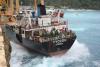 MV Tycoon, 9 January 2012On Sunday 9 January 2012, the cargo vessel the MV Tycoon broke free from its mooring at Flying Fish Cove, Christmas Island, and washed against the seawall and nearby cliff face. The ship had been loading phosphate at the time of the incident.Last updated: 11/09/2020
- Certificates of survey (CoS)Generally, vessels are required to have a certificate of survey to operate as a commercial vessel in Australia.Last updated: 10/30/2025
- Combined Masters, Deck and Engineer officer’s revalidation course syllabus—MT09Details about the Registered training organisation delivered revalidation courses for Masters, Deck and Engineer officers.Last updated: 11/09/2020
- Bunker fuel weathering studyIntentional and illegal discharge of bunker fuel oil and waste oils at sea from vessels is the most common type of oil spill investigated by Australian regulatory agencies.Last updated: 11/14/2023
- Short-term measure to reduce greenhouse gas emissions from existing shipsThe short-term measure under the MARPOL Convention requires ships engaged on international voyages to make improvements to deliver a reduction in their carbon intensity by an average of at least 40% by 2030 (compared to 2008 levels), in line with the target set by the International Maritime Organization (IMO).Last updated: 07/17/2025
- Your safety equipmentThe safety and medical equipment you need will depend on your vessel and operation.Last updated: 12/23/2025
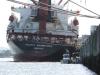 Pacific Adventurer, 11 March 2009The cargo ship Pacific Adventurer lost upwards of 270 tonnes of heavy fuel oil when holed on its port side while en route to Brisbane from Newcastle.Last updated: 11/09/2020