AMSA Connect phone services will be closed for the public holiday on Monday 8 June 2026, reopening on Tuesday 9 June 2026. Our search and rescue team will continue to operate during this time.

Showing 501 - 520 of 824 results for WA 0812 2782 5310 Biaya Untuk Memasang Kitchen Set Minimalis Bentuk U Profesional Gunungkidul
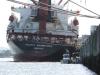 Pacific Adventurer, 11 March 2009The cargo ship Pacific Adventurer lost upwards of 270 tonnes of heavy fuel oil when holed on its port side while en route to Brisbane from Newcastle.Last updated: 11/09/2020
- NP–GUI–001: Deployment of National Plan equipmentThis guidance sets out the considerations and processes to be observed when seeking the deployment of National Plan equipment for a marine pollution incident.Last updated: 03/18/2024
- Guidance for Marine order 47 (Offshore industry units)This guidance assists the offshore oil and gas industry in understanding the intent of marine order 47 (Offshore industry units), made under the Navigation Act 2012.Last updated: 04/29/2021
 Career opportunities for graduates and studentsLaunch your career with AMSA.Last updated: 03/06/2025
- Energy efficiency design measureThe Energy Efficiency Design Index (EEDI) is a mandatory measure that promotes the use of energy efficient (less polluting) equipment and engines on new build ships.Last updated: 07/17/2025
- Cargo marine orders and publicationsYour vessel may be inspected to verify your compliance with cargo requirements. These requirements and regulations apply to safety-related aspects for marine carriage of cargo.Last updated: 03/29/2021
- Nearest land under MARPOLYou must be a specific distance from the nearest land before a discharge at sea can be made.Last updated: 08/13/2020
- Policies and requirements for registered training organisations delivering international certification trainingFind policies and requirements for registered training organisations to obtain AMSA approval for International Convention on Standards of Training, Certification and Watchkeeping for Seafarers (STCW) training.Last updated: 10/27/2020
- NP-GUI-016: National Plan maritime discharges of oil and oily water during emergency and response situationsDischarges into the sea from a vessel of oil, oily water, decant water, or water emanating from an oily water separator is strictly regulated under Australian maritime law.Last updated: 03/18/2024
- Tender, dory and auxiliary vesselsFind out about the special arrangements for vessels which meet the definition of ‘tender’ under the national law.Last updated: 12/06/2024
- Response to the Iron Baron oil spill—report of the review groupFollowing the oil spill at Port Stanvac in South Australia on 28 June 1999, an inquiry was undertaken to investigate the reason for the spill and whether any corporation or individuals were responsible and should be prosecuted.Last updated: 11/09/2020
- How flag State administration works in AustraliaAs a flag State, AMSA are responsible for making sure Australian ships comply with relevant legislation/s.Last updated: 04/14/2025
- Our approved engineer cadet program—MT08The content of the Engineer cadet program including certificate and short courses, qualifying sea service and medical fitness.Last updated: 10/28/2020
- Response to the Pasha Bulker grounding—report of the incident analysis teamFollowing the Pasha Bulker grounding off Newcastle on 8 June 2007, three separate inquiries were undertaken to investigate the circumstances surrounding the cause of, and response to, the incident.Last updated: 11/09/2020
- Annual Regulatory Program 2019 – 20Our regulatory program is prepared annually and contains details of planned and completed changes to our regulatory instruments.Last updated: 07/13/2022
 Have your say—Wilsons Promontory Lighthouse heritage management planWe are seeking feedback on the draft Wilsons Promontory Lighthouse heritage management plan.Last updated: 11/26/2019
- General and specific exemptionsThere are other vessel permits or exemptions you may be eligible for under the national law.Last updated: 09/02/2025
- Exemption 40 - Marine Safety (Class C restricted operations)This exemption is relevant to owners of certain vessels operating in designated Class C Restricted areas who may not want to obtain a certificate of survey.Last updated: 07/01/2025
- Guidance for deceased estatesHow to manage a deceased estate with AMSA.Last updated: 10/09/2024
- Response to the Laura D'Amato oil spill—report of the incident analysis teamThis report is a comprehensive analysis of the management of the incident from an oil spill response perspective.Last updated: 11/09/2020