Showing 581 - 600 of 898 results for WA 0852 2611 9277 RAB Renovasi Interior Set Kamar Tidur Tingkat Apartemen Puri Garden Jakarta Barat
 Career opportunities for graduates and studentsLaunch your career with AMSA.Last updated: 03/06/2025
 AMSA update - 2026 editionsRead the latest news from AMSA.Last updated: 06/04/2026
- NP-GUI-016: National Plan maritime discharges of oil and oily water during emergency and response situationsDischarges into the sea from a vessel of oil, oily water, decant water, or water emanating from an oily water separator is strictly regulated under Australian maritime law.Last updated: 03/18/2024
- Our approved engineer cadet program—MT08The content of the Engineer cadet program including certificate and short courses, qualifying sea service and medical fitness.Last updated: 10/28/2020
- Response to the Iron Baron oil spill—report of the review groupFollowing the oil spill at Port Stanvac in South Australia on 28 June 1999, an inquiry was undertaken to investigate the reason for the spill and whether any corporation or individuals were responsible and should be prosecuted.Last updated: 11/09/2020
 Have your say—Wilsons Promontory Lighthouse heritage management planWe are seeking feedback on the draft Wilsons Promontory Lighthouse heritage management plan.Last updated: 11/26/2019
- Annual Regulatory Program 2019 – 20Our regulatory program is prepared annually and contains details of planned and completed changes to our regulatory instruments.Last updated: 07/13/2022
- Marine levy payment portalPayment options for marine levies, fees, or charges.Last updated: 10/01/2025
- How flag State administration works in AustraliaAs a flag State, AMSA are responsible for making sure Australian ships comply with relevant legislation/s.Last updated: 04/14/2025
- Cargo marine orders and publicationsYour vessel may be inspected to verify your compliance with cargo requirements. These requirements and regulations apply to safety-related aspects for marine carriage of cargo.Last updated: 03/29/2021
- Response to the Pasha Bulker grounding—report of the incident analysis teamFollowing the Pasha Bulker grounding off Newcastle on 8 June 2007, three separate inquiries were undertaken to investigate the circumstances surrounding the cause of, and response to, the incident.Last updated: 11/09/2020
- Exemption 3 - Marine Safety (Certificates of operation)This exemption is for owners of certain vessels who may not want to obtain a certificate of operation, or comply with certain conditions on a certificate of operation.Last updated:
- Response to the Laura D'Amato oil spill—report of the incident analysis teamThis report is a comprehensive analysis of the management of the incident from an oil spill response perspective.Last updated: 11/09/2020
- General and specific exemptionsThere are other vessel permits or exemptions you may be eligible for under the national law.Last updated: 09/02/2025
- Exemption 6 - Marine Safety (Periodic survey, equipment certification, compass adjustment and liferaft servicing)This exemption allows DCV owners an extension of time for obtaining periodic or load line surveys, or a new certificate of currency for equipment. It also allows them to operate without required compass adjustments or while a liferaft is being serviced.Last updated:
- Response to the Port Stanvac oil spill—report of the incident analysis teamFollowing the oil spill at Port Stanvac in South Australia on 28 June 1999, there was a review to investigate the reason for the spill and whether any corporation or individuals were responsible for the spill and should be prosecuted.Last updated: 11/09/2020
- Approach to regulatory action against certificates of competencyThe National Law places obligations on maritime operators and other parties to ensure safety of persons and vessels and protection of the marine environment.Last updated: 12/28/2022
- Guidance for deceased estatesHow to manage a deceased estate with AMSA.Last updated: 10/09/2024
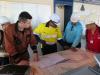 Maritime professional development programWe offer a maritime professional development program for mid to senior level port State control (PSC) staff from counterpart maritime safety agencies.Last updated: 03/21/2023
- Carriage of ammonium nitrate of class 5.1 and class 9 to and from AustraliaReminding all ship owners, ship operators and masters of the requirements for the safe carriage of ammonium nitrate on board ships with a particular emphasis on the carriage in Flexible Intermediate Bulk Containers (FIBC).Last updated: 07/09/2020