
Showing 1 - 20 of 625 results for WA 0859 3970 0884 Biaya Buat Plafon Gypsum Bertingkat Terpercaya Sidomukti Salatiga
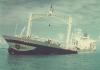 Oceanic Grandeur, 3 March 1970The oil spill from the Oceanic Grandeur in Torres Strait in March 1970 highlighted Australia’s lack of preparedness at the time to deal with a major oil spill in the marine environment.Last updated: 11/09/2020
- My BoatUse the My Boat online system to understand and comply with safety requirements, legislation and standards for your domestic commercial vessel.Last updated: 10/29/2018
 Focused inspection campaign—passenger tender vessel safety (WA/NT only)Advice to vessel owners and masters for the Focused Inspection Campaign (FIC) on passenger (class 1) vessel tenders in Western Australia and Northern Territory.Last updated: 08/30/2023
- Boat-share arrangements and domestic commercial vesselsFind out if the vessel you own or operate under a boat-share agreement is a domestic commercial vessel.Last updated: 04/14/2022
- Rescue boat outboard motors operation and maintenanceAdvice on maintaining rescue boats in working order.Last updated: 05/29/2023
- 2017/12 — Operation and maintenance of rescue boat outboard motorsHighlights the importance of maintaining rescue boats in good working order ready for immediate useLast updated: 01/10/2025
- Work boat capsizes while relocating shifted mooring (safety lesson)The mooring snagged on an unseen underwater object and the chain was pulled out of the bow roller and down the side of the vessel. The vessel capsized with no resulting injuries.Last updated: 12/22/2025
- History of the National PlanOn 1 October 1973, the National Plan for Maritime Environmental Emergencies (National Plan) came into operation.Last updated: 10/03/2023
- Fatigue risk management plan: the default planThis plan sets out minimum rest periods, rest period dispensations and the monitoring procedures that must be observed by pilots under the default fatigue risk monitoring plan (FRMP). It also describes auditing and recording keeping requirements.Last updated: 08/05/2020
- Corporate plan 2024-25This corporate plan is prepared for the reporting period 2024–25 and covers the reporting periods 2024–25 to 2027–28. It considers future trends and potential changes to our operating environment.Last updated: 08/13/2024
- Corporate Plan 2008-11Last updated: 03/29/2021
- Corporate Plan 2015-19Last updated: 09/07/2020
- Corporate plan 2024-25This corporate plan is prepared for the reporting period 2024–25 and covers the reporting periods 2024–25 to 2027–28. It considers future trends and potential changes to our operating environment.Last updated: 08/13/2024
- Corporate Plan 2017-21Last updated: 11/09/2020
- Corporate plan 2022-23This corporate plan is prepared for the reporting period 2022–2023 and covers the reporting periods 2022–23 to 2025–26. It considers future trends and potential changes to our operating environment.Last updated: 08/23/2022
- Fatigue risk management planDCV operators: Learn how to develop a fatigue management plan. This is a requirement under the national law for Class 1, 2 and 3 vessels, including those eligible for a simplified SMS.Last updated:
- National Plan trainingUnder the National Plan, training is available for responders. These training courses make sure Commonwealth, state and territory responders are familiar with the national arrangements under which they work together in a maritime emergency.Last updated: 08/20/2025
- National Plan governance and managementThe National Plan for Maritime Environmental Emergencies (National Plan) is managed under governance arrangements which ensure accountability, coordination and integration with stakeholders.Last updated: 06/18/2025
- Garbage management planA garbage management plan is an effective way to reduce garbage generated on board and ensure its effective disposal, to protect our marine environment. Under Australian maritime legislation it is mandatory for certain vessels to carry a garbage management plan.Last updated: 08/13/2020
- Annual Regulatory Plan 2017–18Our regulatory plan provides details of planned changes to our regulatory instruments such as Marine Orders and the National Standard for Commercial Vessels, to make it easier for business and the community to take part in the development of those instruments.Last updated: 07/13/2022