Showing 21 - 40 of 1012 results for WA 0852 2611 9277 Biaya Borongan Wall Moulding Rumah Minimalis Daerah Gambir Jakarta Pusat
- 2021 monthly domestic commercial vessel incident reportsThe information you provide in your incident report plays an important part in guiding the way we improve maritime safety for everybody on the water. By reporting marine incidents to us, you are also meeting your reporting obligations under Australian laws.Last updated: 05/09/2022
- 2020 monthly domestic commercial vessel incident reportsThe information you provide in your incident report plays an important part in guiding the way we improve maritime safety for everybody on the water. By reporting marine incidents to us, you are also meeting your reporting obligations under Australian laws.Last updated: 05/09/2022
 Changes to national law general exemptions from 1 July 2025: check your eligibilitySeveral national law general exemptions have been reissued for a period of 3 to 5 years with changes. Check if you need to reapply for your exemption, and that you still meet eligibility requirements.Last updated: 07/02/2025
- Consultation feedback report - Marine Order 98 reissueThis feedback report summarises submissions we received on the proposed changes to Marine Order 98.Last updated: 03/10/2023
- Compliments and feedbackWe value your feedback. You can give a compliment, make a complaint or offer a suggestion to help us improve our services.Last updated:
- Freedom of Information disclosuresThe FOI disclosure list describes the documents disclosed under the Freedom of Information Act, and the date of disclosure.Last updated: 11/26/2025
 16 May - International Day for Women in Maritime eventJoin the event online or in person at East Fremantle Yacht Club in WA.Last updated:
- Western Australia fuel oil suppliersFind local suppliers of fuel oil in Western Australia.Last updated: 11/19/2025
- AMSA state and territory officesWe have offices all around Australia. You can contact our state offices using the details below.Last updated: 02/05/2025
- 2022 monthly domestic commercial vessel incident reportsThe information you provide in your incident report plays an important part in guiding the way we improve maritime safety for everybody on the water. By reporting marine incidents to us, you are also meeting your reporting obligations under Australian laws.Last updated: 04/05/2023
 Navigating Tides of Progress – National Reconciliation Week 2024National Reconciliation Week is a time for all Australians to learn about our shared histories, cultures, and achievements, and to explore how each of us can contribute to achieving reconciliation in Australia.Last updated:
- Global maritime distress and safety systemThe global maritime distress and safety system (GMDSS) connects you to coast stations and vessels via satellite and radio communications when you're out at sea.Last updated: 10/09/2023
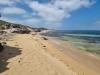 Major marine pollution exercise in FremantleSimulated severe oil spill to test coordinated multi‑agency response in March 2026 in WA.Last updated: 03/02/2026
- 2022/13 — Guidance document for the recording operations in the oil record book part IThis marine notice advises of the availability of guidance for the recording of operations in the Oil Record Book Part I – machinery space operations (all ships), prepared and issued by the International Maritime Organization (IMO).Last updated: 01/10/2025
- 2018 monthly domestic commercial vessel incident reportsThe information you provide in your incident report plays an important part in guiding the way we improve maritime safety for everybody on the water.Last updated: 05/09/2022
- Detailed maps of C, D and E waters for TasmaniaThese maps display the specified C, D and E waters in great detail for 38 areas in Tasmania.Last updated: 01/29/2024
 HF radiotelephone monitoring in AustraliaFrom 1 January 2022, AMSA will provide 24-hour nationwide monitoring of high frequency (HF) radiotelephone distress, urgency and safety communications in Australia.Last updated: 12/17/2021
- Replace an international certificateReplace your lost or damaged certificate, or get a new certificate after updating your personal details.Last updated: 10/27/2020
- Maritime safety informationAMSA and the Bureau of Meteorology provide vessels with maritime safety information (MSI) about hazards and foreseeable dangers to safe navigation through Australia's marine environment.Last updated: 12/21/2023