
Showing 441 - 460 of 837 results for WA 0859 3970 0884 Jasa Bikin Kitchen Set Kayu Sawangan Kab Magelang
- Compliance and enforcement policy 2012This policy has been superseded by the 2018 Compliance and enforcement policy.Last updated: 03/15/2021
- Scenario 2: A DCV undertaking a one-time overseas voyageFollow these steps if you want to take a DCV overseas for dry docking, sale or delivery.Last updated: 04/14/2025
- Intergovernmental agreements with Australia and other governmentsWe have intergovernmental agreements with state and territory governments in Australia.Last updated: 03/27/2023
- Revalidation of Rating certificates of proficiencyGet your Rating certificate of proficiency revalidated before it expires.Last updated: 06/04/2021
- Bringing a vessel to Australia or going on an overseas voyageIf you're planning to bring a vessel to Australia, or take a domestic commercial vessel (DCV) on an overseas voyage, you need to comply with Australian regulations and international standards.Last updated: 12/14/2023
- Superseded standards for commercial vesselsOn this page you can find copies of previous editions and amendments to the NSCV.Last updated: 10/01/2024
- Maritime Labour Convention—2019 Annual ReportThis report presents an analysis of Maritime Labour Convention (MLC) complaints, compliance and follow up actions undertaken in Australia.Last updated: 01/11/2024
- 2025/04 - Using exhaust gas cleaning systems (EGCS) in Australian watersGuidance on using an exhaust gas cleaning system (EGCS) to meet the fuel sulphur limit of 0.50% m/m, as required under MARPOL Annex VI and Australian law.Last updated:
- Risk reportsThe National Plan uses a risk based approach to reduce the impact of maritime environment emergencies.Last updated: 11/09/2020
- About the automatic identification systemFind out about the automatic identification system (AIS).Last updated: 07/30/2020
- Port State control Australia—2019 reportThis report summarises the PSC activities of AMSA, detailing the performance of commercial shipping companies, flag States and Classification Societies for the 2019 calendar year.Last updated: 05/26/2020
- Replace an international certificateReplace your lost or damaged certificate, or get a new certificate after updating your personal details.Last updated: 10/27/2020
- Marine Order 71 review: Consultation report October 2023This report provides an overview of the consultation process, key issues raised during public consultation and the key changes to the Marine Order.Last updated: 11/23/2023
- Global Maritime Distress and Safety System (GMDSS) radio logbookThe GMDSS radio log book is available to download free of charge.Last updated: 01/01/2024
- Excessive speed leads to collision and passenger injuriesA passenger vessel travelling at speed collided with a cliff face resulting in serious injuries to passengers and major structural damage to the vessel.Last updated: 06/12/2025
- Non-survey vessel approval or exemptionSome vessels do not have to be surveyed. Depending on the type of vessel, you may need to apply for approval to operate.Last updated: 10/30/2025
- Engine International Air Pollution Prevention (EIAPP) certificates and Technical FilesTo confirm an engine with a power output of greater than 130 kilowatts (kW) is compliant with nitrogen oxide (NOx) emission standards, it must be accompanied by an Engine International Air Pollution Prevention (EIAPP) certificate and supporting Technical File.Last updated: 12/13/2023
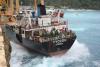 MV Tycoon, 9 January 2012On Sunday 9 January 2012, the cargo vessel the MV Tycoon broke free from its mooring at Flying Fish Cove, Christmas Island, and washed against the seawall and nearby cliff face. The ship had been loading phosphate at the time of the incident.Last updated: 11/09/2020
 First Nations crew member/vessel operatorFind out what you need to do to operate or work on a domestic commercial vessel (DCV) on sea country and freshwater country.Last updated: 06/22/2026
- NP–GUI–001: Deployment of National Plan equipmentThis guidance sets out the considerations and processes to be observed when seeking the deployment of National Plan equipment for a marine pollution incident.Last updated: 03/18/2024