
Showing 801 - 820 of 1062 results for WA 0812 2782 5310 Order Kitchen Set Stainless Steel Minimalis Secang Kab Magelang
- Excessive speed leads to collision and passenger injuriesA passenger vessel travelling at speed collided with a cliff face resulting in serious injuries to passengers and major structural damage to the vessel.Last updated: 06/12/2025
 First Nations crew member/vessel operatorFind out what you need to do to operate or work on a domestic commercial vessel (DCV) on sea country and freshwater country.Last updated: 06/22/2026
- NP–GUI–001: Deployment of National Plan equipmentThis guidance sets out the considerations and processes to be observed when seeking the deployment of National Plan equipment for a marine pollution incident.Last updated: 03/18/2024
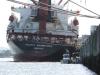 Pacific Adventurer, 11 March 2009The cargo ship Pacific Adventurer lost upwards of 270 tonnes of heavy fuel oil when holed on its port side while en route to Brisbane from Newcastle.Last updated: 11/09/2020
 Career opportunities for graduates and studentsLaunch your career with AMSA.Last updated: 03/06/2025
- Your safety equipmentThe safety and medical equipment you need will depend on your vessel and operation.Last updated: 12/23/2025
- Checklist for safety of navigation focused inspection campaignAMSA surveyor’s will be using the checklist below when inspecting ships as part of our safety of navigation focused inspection campaign.Last updated: 10/26/2023
- Queensland fuel oil suppliersFind local suppliers of fuel oil in Queensland.Last updated: 09/04/2025
- Response to the Iron Baron oil spill—report of the review groupFollowing the oil spill at Port Stanvac in South Australia on 28 June 1999, an inquiry was undertaken to investigate the reason for the spill and whether any corporation or individuals were responsible and should be prosecuted.Last updated: 11/09/2020
- Tender, dory and auxiliary vesselsFind out about the special arrangements for vessels which meet the definition of ‘tender’ under the national law.Last updated: 12/06/2024
 Maritime professional development programWe offer a maritime professional development program for mid to senior level port State control (PSC) staff from counterpart maritime safety agencies.Last updated: 03/21/2023
- Nearest land under MARPOLYou must be a specific distance from the nearest land before a discharge at sea can be made.Last updated: 08/13/2020
- Policies and requirements for registered training organisations delivering international certification trainingFind policies and requirements for registered training organisations to obtain AMSA approval for International Convention on Standards of Training, Certification and Watchkeeping for Seafarers (STCW) training.Last updated: 10/27/2020
- Energy efficiency design measureThe Energy Efficiency Design Index (EEDI) is a mandatory measure that promotes the use of energy efficient (less polluting) equipment and engines on new build ships.Last updated: 07/17/2025
- Response to the Pasha Bulker grounding—report of the incident analysis teamFollowing the Pasha Bulker grounding off Newcastle on 8 June 2007, three separate inquiries were undertaken to investigate the circumstances surrounding the cause of, and response to, the incident.Last updated: 11/09/2020
 Have your say—Wilsons Promontory Lighthouse heritage management planWe are seeking feedback on the draft Wilsons Promontory Lighthouse heritage management plan.Last updated: 11/26/2019
- Our approved engineer cadet program—MT08The content of the Engineer cadet program including certificate and short courses, qualifying sea service and medical fitness.Last updated: 10/28/2020
- Exemption 3 - Marine Safety (Certificates of operation)This exemption is for owners of certain vessels who may not want to obtain a certificate of operation, or comply with certain conditions on a certificate of operation.Last updated:
- Exemption 6 - Marine Safety (Periodic survey, equipment certification, compass adjustment and liferaft servicing)This exemption allows DCV owners an extension of time for obtaining periodic or load line surveys, or a new certificate of currency for equipment. It also allows them to operate without required compass adjustments or while a liferaft is being serviced.Last updated:
- Exemption 40 - Marine Safety (Class C restricted operations)This exemption is relevant to owners of certain vessels operating in designated Class C Restricted areas who may not want to obtain a certificate of survey.Last updated: 07/01/2025