
Showing 1 - 20 of 377 results for WA 0859 3970 0884 Interior Desain Rumah Model Baru Murah Nguter Sukoharjo
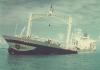 Oceanic Grandeur, 3 March 1970The oil spill from the Oceanic Grandeur in Torres Strait in March 1970 highlighted Australia’s lack of preparedness at the time to deal with a major oil spill in the marine environment.Last updated: 11/09/2020
- Energy efficiency design measureThe Energy Efficiency Design Index (EEDI) is a mandatory measure that promotes the use of energy efficient (less polluting) equipment and engines on new build ships.Last updated: 07/17/2025
- Interim certificates of competencyFind out how to get an interim certificate of competency (ICoC) when you apply for a certificate for the first time.Last updated: 11/04/2024
 Focused inspection campaign—passenger tender vessel safety (WA/NT only)Advice to vessel owners and masters for the Focused Inspection Campaign (FIC) on passenger (class 1) vessel tenders in Western Australia and Northern Territory.Last updated: 08/30/2023
- Issuing an interim certificate of competency (ICoC)Instructions for registered training organisations (RTOs).Last updated: 01/11/2024
- No risk assessments and gate design results in passengers overboardOn 6 November 2021, while enroute, a passenger charter (Class 1E) vessel’s inadequately secured swim platform gate opened when a passenger and toddler leant against it causing the two passengers to fall into the water. The investigation identified that there was no locking bolt on the gate, no risk assessments and no passenger verification procedures in place.Last updated: 08/26/2022
- Poor risk assessment of river entrance bar crossing results in near misses with surfersA 2C rescue vessel was preparing to depart a river entrance bar with 11 people onboard. The observed sea state was a wave height (breaking) of 1.4 to 1.8 metres. The entrance bar had a moderate to high level of congestion of jet skis and surfboard riders positioned within the aids to navigation departure leads. The vessel came within very close proximity to surfers on 3 occasions whilst negotiating the breaking sea conditions. The vessel then broached upon a wave resulting in the vessel heeling to port and becoming unable to be controlled due to the force of the wave.Last updated: 08/29/2023
- Private seafarer recruitment and placement servicesFind out which companies are registered as a private seafarer recruitment and placement service in Australia.Last updated: 01/30/2026
- LED lighting found to interfere with VHF-FM radio and AIS receptionThere is potential for light-emitting diode lighting on vessels to compromise reception on VHF frequencies.Last updated: 08/03/2020
- Consultation feedback on the national system transition 2016About the feedback we received on the National System for Domestic Commercial Vessel Safety transition.Last updated: 09/12/2023
- Spill trajectory modellingTrajectory models can help predict spill behaviour in the marine environment. If you are from one of our National Plan partner agencies, you can request a spill trajectory model when an oil or chemical spill occurs.Last updated: 04/13/2026
- Performing assessments as an AMSA approved final assessorRequirements that must be met by AMSA approved final assessors when assessing candidates for a certificate of competency and interim certificate of competency. This provides the details of our requirements for training strategies, training programs and record keeping.Last updated: 01/11/2023
- Boat-share arrangements and domestic commercial vesselsFind out if the vessel you own or operate under a boat-share agreement is a domestic commercial vessel.Last updated: 04/14/2022
 Challenger aircraftWe have four Bombardier Challenger 604 jet aircraft for search and rescue. The Challengers are based out of Perth, Melbourne and Cairns.Last updated: 05/14/2025
- Our approval for all STCW courses provided by Registered training organisations—MT05Procedures for STCW courses provided by Registered training organisations including e-learning, distance learning and blended learning, GMDSS ROC and short courses.Last updated: 07/01/2024
- Western Australia fuel oil suppliersFind local suppliers of fuel oil in Western Australia.Last updated: 11/19/2025
 Cairns Challenger artworkOn 22 March 2023, AMSA launched new artwork on the Cairns-based Challenger aircraft, designed by Torres Strait artist Michael Nona.Last updated: 03/27/2023
 Wearing lifejacketsDo a lifejacket risk assessment. Your safety, and the safety of your passengers and crew, depends on it. Wearing a lifejacket can help prevent a tragic incident.Last updated: 10/18/2024
- Discharge standardsA summary of discharge standards under MARPOL and local regulations if you are operating your vessel in Australian waters.Last updated: 08/15/2025
- 2022 monthly domestic commercial vessel incident reportsThe information you provide in your incident report plays an important part in guiding the way we improve maritime safety for everybody on the water. By reporting marine incidents to us, you are also meeting your reporting obligations under Australian laws.Last updated: 04/05/2023