The website is undergoing maintenance today from 11am AEST. You may experience temporary loading issues. We apologise for any inconvenience.

Showing 21 - 40 of 444 results for WA 0821 1305 0400 [[ADEFA]] Jasa Pasang Material Geoteknik Geobag Murah Lampung Tengah Lampung
- NP–GUI–017: National Plan activation of the fixed wing aerial dispersant capabilityGuidance for the AMSA Duty Officer responsible for either placing on standby or activating the fixed wing aerial dispersant capability as part of a pollution response.Last updated: 03/18/2024
- Global maritime distress and safety systems radio operator’s certificate of recognitionThis international certificate allows you to work as a radio operator on an Australian registered vessel.Last updated: 07/01/2024
- Global maritime distress and safety systems radio operator’s restricted certificate of recognitionThis international certificate allows you to work as a radio operator under restricted conditions.Last updated: 07/10/2024
- Find an accredited marine surveyorAccredited government and private surveyors, and recognised organisations who are qualified to conduct surveys on domestic commercial vessels.Last updated: 06/22/2026
- Private seafarer recruitment and placement servicesFind out which companies are registered as a private seafarer recruitment and placement service in Australia.Last updated: 06/22/2026
- Fatigue contributing to fishing vessel groundingOn 19 November 2020, a class 3B fishing vessel grounded on a beach after the master and two deckhands, fell asleep. The investigation identified that there was no clear procedure for standing watch. Fatigue also contributed to the poor decisions made by the crew around who was supposed to be on watch that morning.Last updated: 06/28/2022
- Capsize after beaching on sandbarA hire vessel capsized after it was beached on a sandbank in a designated no-go area. The incident shows why hirers and participants must follow safety briefings and emergency plans.Last updated:
- New South Wales fuel oil suppliersFind local suppliers of fuel oil in New South Wales.Last updated: 09/03/2025
- Pollution from fishing vesselsYou have a responsibility not to pollute the sea, and to be aware of the laws about oil and garbage pollution from vessels, including fishing vessels.Last updated: 08/13/2020
 New build trends in Australia's domestic fleet (2023 - 24)Explore the trends in vessel design, materials and certification shaping Australia’s domestic fleet. See what was built, where, and how vessels are evolving to meet industry needs.Last updated: 07/22/2025
- Search and rescue incidents 2016–17Our search and rescue incidents from 2016–17.Last updated: 10/26/2020
- Intention to register a shipYou need full ownership history to register a vessel. If you don’t have this information, you must submit a notice of intention to register a vessel to AMSA.Last updated: 06/18/2026
- Montara Well Head Platform, 21 August 2009At approximately 5.30 am WA time on Friday 21 August 2009 the Montara Wellhead mobile drilling unit, located 140 miles offshore from the north-west Australian coast, had an uncontrolled release of hydrocarbons from one of the platform wells. Consequently oil escaped to the surface and gaseous hydrocarbons escaped into the atmosphere.Last updated: 11/09/2020
- Exemption 44 - Marine Safety (Domestic commercial vessels—EIAPP certificate)Exemption 44 exempts owners of domestic commercial vessels (DCVs) from the requirements of Marine Order 503 (Certificates of survey–national law) 2018 to hold an engine international air pollution prevention (EIAPP) certificate in order to be issued a certificate of survey.Last updated: 12/12/2025
- Marine order changesThis page contains a list of past changes to Marine Orders and International Maritime Organization (IMO) resolutions.Last updated: 03/13/2025
- AMSA BoardOur Board is appointed by the Minister for Infrastructure, Transport, Regional Development and Local Government.Last updated: 06/11/2026
- Western Australia fuel oil suppliersFind local suppliers of fuel oil in Western Australia.Last updated: 11/19/2025
- Consultation Report – Marine Order 27 (Safety of navigation and radio equipment) reissueThis feedback report summarises submissions we received on the proposed changes to Marine Order 27.Last updated: 05/06/2026
- Survey Matters - June 2022In this edition we talk about audits and application assessments.Last updated: 06/28/2022
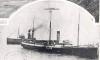 Petriana, 28 November 1903Australia’s first recorded major oil spill occurred on Saturday 28 November 1903 in Port Phillip Bay.Last updated: 11/09/2020