
Showing 281 - 300 of 954 results for WA 0859 3970 0884 Biaya Renovasi Kitchen Set Minimalis Mini Bar Modern Kaliangkrik Kab Magelang
- Traditional inhabitant boat (TIB) fishing in the Torres StraitIf you are a Traditional Inhabitant of the Torres Strait and use your TIB to catch seafood and sell it, your boat is being used as a domestic commercial vessel. This page explains what that means, when you can use the TIB-specific exemption, and the steps you must follow to operate safely and legally.Last updated: 04/17/2026
- Shipping decarbonisation: feedback from industryFind out what was discussed at decarbonisation roundtables attended by shipping industry representatives. By hosting these roundtables, AMSA aims to foster collaboration in the Australian shipping industry as it transitions away from carbon-based fuels.Last updated: 12/04/2025
- Is it a domestic commercial vessel?In Australia, domestic commercial vessels are regulated under the Marine Safety (Domestic Commercial Vessel) National Law Act 2012 (national law act). The National Law Act underpins the National System for Domestic Commercial Vessel Safety (national system).Last updated: 09/10/2025
- Survey requirements for transitional vesselsUnder Marine Order 503 a transitional vessel is an existing vessel that has:Last updated: 10/30/2023
- Maritime Law Association of Australia and New Zealand Annual Conference 2023AMSA is pleased to be a sponsor of the 2023 annual conference of the Maritime Law Association of Australia and New Zealand (MLAANZ), 4-6 October.Last updated: 10/09/2023
- Global maritime distress and safety systemThe global maritime distress and safety system (GMDSS) connects you to coast stations and vessels via satellite and radio communications when you're out at sea.Last updated: 10/09/2023
- Bunker fuel weathering studyIntentional and illegal discharge of bunker fuel oil and waste oils at sea from vessels is the most common type of oil spill investigated by Australian regulatory agencies.Last updated: 11/14/2023
 Watch our first SMS webinar: fatigue risk managementAMSA recently hosted the first webinar in our safety management system (SMS) series, focusing on fatigue risk management.Last updated: 03/04/2025
 Personal growthAt AMSA, we believe in supporting you to be the best version of yourself.Last updated: 03/06/2025
- Templates for a safety management systemThe templates can be used to help you in developing or reviewing your SMS.Last updated: 04/07/2025
- Guidance—international certificatesDownload and print guidance for international certificates.Last updated: 07/01/2024
- Continued competence—Certificate of Safety TrainingAMSA approved training organisations delivering Continued competence (Certificate of Safety Training) (COST).Last updated: 10/27/2020
- Rescue boat outboard motors operation and maintenanceAdvice on maintaining rescue boats in working order.Last updated: 05/29/2023
- Vessel Traffic Services Advisory GroupThe Vessel Traffic Services Advisory Group (VTSAG) discusses matters relating to Vessel Traffic Services (VTS) in Australia.Last updated: 03/21/2023
- Contact usFind out how to get in touch with AMSA Connect, emergency services, our head and state offices and media team.Last updated: 04/07/2026
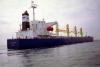 Pax Phoenix, 2 September 2001Following a report to AMSA, and subsequent investigation, the Pax Phoenix was fined for illegally discharging oily water into the marine environment near Holbourne Island, Queensland on 2 September 2001.Last updated: 11/09/2020
- Qualifications and training for VTS personnelGuidance for VTS providers on the qualifications and training of VTS personnel in Australia.Last updated: 07/18/2024
 EPIRB requirements—find out what the changes mean for your DCV operationThe type of EPIRB you need depends on vessel class, length, flotation and operating area.Last updated: 09/22/2021
- Survey frequency for domestic commercial vesselsFrom 1 July 2018, new survey requirements for domestic commercial vessels apply. This includes changes to marine order 503 to apply the new periodic survey requirements to all vessels required to be in survey—existing, transitional and new vessels.Last updated: 06/12/2020
- Submitting applications from overseas and providing certified documentsLearn how to get copies of documents certified for your certificate application.Last updated: 04/26/2024