AMSA Connect phone services may have longer wait times on Monday 1 June 2026 while we operate with reduced staffing due to the Reconciliation Day Public Holiday in Canberra. Our search and rescue team will continue to operate during this time.

Showing 641 - 660 of 802 results for WA 0812 2782 5310 Biaya Pemborong Interior Kamar Set Kecil Terpercaya Sidomukti Salatiga
- Declared vessels operating up to 600 nautical miles from the Australian coastRules and conditions for vessels declared to not be regulated Australian vessels.Last updated: 07/09/2020
- General requirements for fast craft - F1AStandards for 'fast craft': vessels capable of speeds over 25 knots.Last updated: 10/01/2024
- ECDIS familiarisationECDIS familiarisation ensures that master and navigating officers are familiar with the specific make and model of the ECDIS equipment onboard (including backup) before taking charge of a navigational watch.Last updated: 11/26/2021
 World Oceans Day 2025: sustaining what sustains usThis World Oceans Day, AMSA proudly supports the global theme ‘Sustaining what sustains us’, reflecting our vision for clean seas and a safe, sustainable marine environment.Last updated: 06/06/2025
- No risk assessments and gate design results in passengers overboardOn 6 November 2021, while enroute, a passenger charter (Class 1E) vessel’s inadequately secured swim platform gate opened when a passenger and toddler leant against it causing the two passengers to fall into the water. The investigation identified that there was no locking bolt on the gate, no risk assessments and no passenger verification procedures in place.Last updated: 08/26/2022
- 6/2018—Limitation of sulphur emissions from cruise vessels while at berth in Sydney HarbourThe purpose of this marine notice is to inform cruise vessel masters and operators of AMSA’s policy on limiting sulphur emissions from cruise vessels[1] when at berth in the Port of Sydney Harbour.Last updated: 08/26/2019
- How the automatic identification system worksThe automatic identification system (AIS) works automatically and continuously, regardless of where a vessel is located.Last updated: 04/14/2026
- Arthur Phillip, 21 May 1990On 21 May 1990 an extensive oil slick was sighted approximately four nautical miles south-east of Cape Otway by the pilot of a light aircraft. The Australian-flagged tanker Arthur Phillip was later established as the source of the spill.Last updated: 11/09/2020
- Prosecutions for ship sourced pollutionThere are laws against ship sourced pollution and those responsible may be prosecuted under state or territory legislation.Last updated: 11/14/2023
- Guidance notices and fact sheets for domestic commercial vessel owners and operatorsFind out more about complying with the national system if you are a domestic commercial vessel owner or operator.Last updated: 11/22/2022
- Very low sulphur fuel oil studyWe are responsible for responding to marine oil spills and supporting the National Plan for Maritime Emergency partners in doing the same within their jurisdictions.Last updated: 06/23/2021
- Anchoring systems - C7DDesigning, selecting, and testing anchoring systems.Last updated: 10/01/2024
- Guidance—domestic certificatesDownload a copy of the requirements for each near coastal certificate.Last updated: 11/28/2024
- Category F1 fast craft - F1BStandards for class 1 and class 2 fast craft that are at least 35m in equivalent length.Last updated: 10/01/2024
- Passenger vessel collision with unseen submerged rockA passenger vessel collided with an unseen rock, resulting in the injury of a passenger. The master navigated the vessel into unfamiliar waters that was not a normal or planned part of the passenger tour experience, and not authorised by the tour company. Owners and operators should ensure masters continue to conform to the planned or authorised route for the services they offer.Last updated: 12/20/2023
- Al Qurain, 28 July 1988On 28 July 1988, the livestock carrier Al Qurain struck a wharf heavily while berthing in Portland, Victoria and severely ruptured a side fuel tank. An estimated 184 tonnes of fuel oil escaped into Portland Harbour.Last updated: 11/09/2020
- Fatigue contributes to fishing vessel groundingOn the morning of 24 April 2022, a fishing vessel ran aground on a reef between Bundaberg and Torres Strait. The master and two deck hands had been underway for six days prior to the grounding. The master was fatigued, having had little sleep given the watchkeeping schedule and the competency levels of the two deckhands.Last updated: 12/14/2022
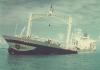 Oceanic Grandeur, 3 March 1970The oil spill from the Oceanic Grandeur in Torres Strait in March 1970 highlighted Australia’s lack of preparedness at the time to deal with a major oil spill in the marine environment.Last updated: 11/09/2020
- Capsize after beaching on sandbarA hire vessel capsized after it was beached on a sandbank in a designated no-go area. The incident shows why hirers and participants must follow safety briefings and emergency plans.Last updated:
 Professional growthWe are committed to nurturing your development and helping you reach your goals.Last updated: 11/13/2023