AMSA Connect phone services may have longer wait times on Monday 1 June 2026 while we operate with reduced staffing due to the Reconciliation Day Public Holiday in Canberra. Our search and rescue team will continue to operate during this time.
Showing 661 - 680 of 1438 results for what are a ships masters responsibilities if LAYCAN cant be met
- 2024 monthly domestic commercial vessel incident reportsThe information you provide in your incident report plays an important part in guiding the way we improve maritime safety for everybody on the water. By reporting marine incidents to us, you are also meeting your reporting obligations under Australian laws.Last updated: 01/28/2025
- Visual and electronic navigation toolsWe manage a network of about 480 marine aids to navigation (AtoN) located at about 360 sites around Australia’s coastline.Last updated: 10/31/2025
- No safe access provided: Contractor falls overboard whilst disembarkingA contractor working on a vessel fell into the water whilst disembarking due to the gap between the wharf and the vessel. A safe means of access to the vessel was not provided.Last updated: 12/20/2024
- Seafarer certification: annual statisticsUnderstand the state of the Australian maritime workforce. Find out how many domestic and international seafarers are certificated by AMSA to work in Australia.Last updated: 12/08/2025
- Marine Order 97 (marine pollution prevention – air pollution) ReissueConsultation Report – October 2022Last updated: 12/06/2022
 Improving international shipping waste management at Australian portsA joint trial has helped shape new approaches to recycling waste from visiting ships.Last updated: 07/29/2025
- Scenario 1: New buildIf you're bringing a vessel that is overseas to Australia and it’s a new build, you’ll need to meet certain requirements.Last updated: 12/19/2023
- Certificate of safety training—full courseList of Certificate of safety training (full course) organisationsLast updated: 03/06/2024
- Report on the 2012 review of the National PlanThis Report on the 2012 review of the National Plan to combat pollution of the sea outlines the outcomes of the Review as agreed by the National Plan Management Committee at its meeting in July 2012.Last updated: 11/09/2020
- Recommendations from the investigation into the loss of the passenger vessel ConceptionDCV Safety Alert: 1/2021 aims to raise awareness of recommendations made by the United States, National Transportation Safety Board, following the investigation into the fire and subsequent loss of the passenger vessel Conception.Last updated: 01/11/2021
- National Plan governance and managementThe National Plan for Maritime Environmental Emergencies (National Plan) is managed under governance arrangements which ensure accountability, coordination and integration with stakeholders.Last updated: 06/18/2025
 New exemption for class 4 houseboat operatorsWe have put in place a new exemption allowing masters and crew of class 4 houseboats up to 24 metres in length to perform certain activities when not on hire, providing they hold at least a Coxswain Grade 3 certificate of competency and meet other conditions under the exemption.Last updated:
- Annual Regulatory Plan 2018–19Our regulatory plan is produced annually and contains planned changes to our regulatory instruments.Last updated: 07/13/2022
 Seafarer job seekerFind what you need to get your next job in the maritime industry.Last updated: 10/26/2020
- Pollution responseAn online learning program providing an awareness of how AMSA combats pollution in the marine environment.Last updated: 03/30/2023
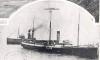 Petriana, 28 November 1903Australia’s first recorded major oil spill occurred on Saturday 28 November 1903 in Port Phillip Bay.Last updated: 11/09/2020
- Annual Regulatory Program 2020–21Our regulatory program is prepared annually and contains details of planned and completed changes to our regulatory instruments.Last updated: 07/13/2022
- 2020 monthly domestic commercial vessel incident reportsThe information you provide in your incident report plays an important part in guiding the way we improve maritime safety for everybody on the water. By reporting marine incidents to us, you are also meeting your reporting obligations under Australian laws.Last updated: 05/09/2022
- Carriage of ammonium nitrate of class 5.1 and class 9 to and from AustraliaReminding all ship owners, ship operators and masters of the requirements for the safe carriage of ammonium nitrate on board ships with a particular emphasis on the carriage in Flexible Intermediate Bulk Containers (FIBC).Last updated: 07/09/2020
- National maritime places of refugeFor vessels in distress or in need of assistance there can be, at times, a need to find an appropriate ‘place of refuge’, where steps can be taken to stabilise or repair the vessel and prevent the situation from worsening.Last updated: 07/16/2025