
Showing 621 - 640 of 955 results for WA 0821 1305 0400 [[ADEFA]] Pengadaan Geocomposite Retaining Wall Simeulue Aceh
- Advisory note—The scope of the National System: Regulated Australian vessels and domestic commercial vesselsClarifies which law vessels operate under.Last updated: 06/11/2020
- Request a certified extract of RegisterIf you are looking to purchase a vessel and would like to know the current ownership details or you need detailed information on a registered ship, a title extract will provide this information.Last updated: 07/07/2023
- CaveatsLodge a caveat to make sure no transactions are registered which may affect your interests in a ship.Last updated: 07/07/2023
- Annual Regulatory Plan 2017–18Our regulatory plan provides details of planned changes to our regulatory instruments such as Marine Orders and the National Standard for Commercial Vessels, to make it easier for business and the community to take part in the development of those instruments.Last updated: 07/13/2022
- Uniform Shipping Laws codeStandards for domestic commercial vessels, largely replaced by the NSCV for new vessels.Last updated: 10/24/2024
- Navigation servicesOur range of navigation services includes marine navigation and e-navigation.Last updated: 10/17/2025
- Consultation—Draft Marine Order 44—(Safe containers) 2019Consultation on Marine Order 44 closed on 1 March 2019.Last updated: 11/29/2024
- Wheelhouse visibility, escape, accommodation and personal safety – NSCV Part C1Latest standards for wheelhouse visibility, emergency escapes, crew and passenger accommodation, and personal safety on domestic commercial vessels. Includes updated requirements for evacuation, signage and preventing falls overboard.Last updated: 09/01/2025
- Exemption 21 - Marine Safety (Operator vehicular ferry-in-chains)Under the changes to MO505, individuals can no longer apply for the ferry-in-chains exemption 21.Last updated: 06/30/2025
- Declared vessels operating up to 600 nautical miles from the Australian coastRules and conditions for vessels declared to not be regulated Australian vessels.Last updated: 07/09/2020
 Upcoming changes: drug and alcohol policyFrom 1 June 2025, all domestic commercial vessel (DCV) operators, including hire and drive operators (Class 4), must have a drug and alcohol policy as part of their safety management system (SMS).Last updated: 03/27/2025
- Board meeting communique of matters – 20 November 2025The 276th meeting of the Board was held on Thursday, 20 November 2025, in Canberra, ACT.Last updated: 01/02/2025
- After a port State control inspectionIf your ship is found to have deficiencies during an inspection, you may be detained and delayed for an unknown amount of time.Last updated: 07/22/2022
- Port State controlWhile in an Australian port, your ship may be subject to inspection. If your ship is found to have deficiencies, it may be detained until the issue is resolved.Last updated: 02/26/2018
- LighthousesLighthouses are part of the network of aids to navigation in Australia. Use our interactive map to locate one of our heritage lighthouses.Last updated: 08/15/2025
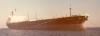 World Encouragement, 10 September 1979At 8.55 am on 10 September 1979, the tanker World Encouragement was conducting berthing operations at an Australian Oil Refinery (AOR) mooring at Kurnell in Botany Bay, New South Wales, when oil began rising to the water surface from beneath the ship.Last updated: 11/09/2020
- Exemption 25 - Marine Safety (Old certificates of competency - local restrictions)This exemption is for people who have an old certificate of competency and are not able to comply with a condition on that certificate.Last updated: 06/30/2025
- 2021/08 — Electronic Chart Display and Information SystemsThis marine notice draws attention to important information regarding the proper operation of Electronic Chart Display and Information Systems (ECDIS), including the importance of adequate and up to date Electronic Navigational Charts (ENCs), for ships visiting Australian ports.Last updated: 01/10/2025
- Exemption 33 - Marine Safety (Sailing vessels with motor propulsion)This exemption allows eligible people to work on a domestic commercial sailing vessel without the required certificate of competency.Last updated: 06/30/2025
- ISM Code certification guidelines for regulated Australian vesselsThe guidelines describe how the International management code for the safe operation of ships and for pollution prevention (ISM code) is applied, the certification process and the responsibilities of AMSA personnel.Last updated: 08/22/2023